





Now Reading: Pixel 11 might get exciting upgrades — except for the one thing that actually matters
-
01
Pixel 11 might get exciting upgrades — except for the one thing that actually matters

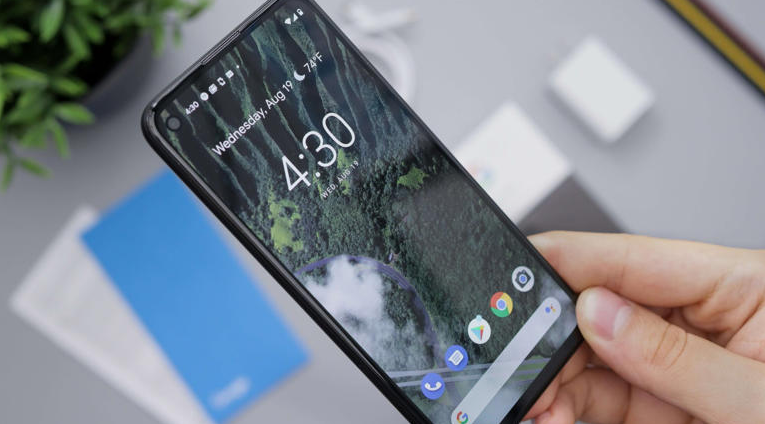
The Pixel 11 series has been heavily leaked, courtesy of Mystic Leaks.
Key upgrades include new camera sensors and a “Pixel Glow” RGB system on the back.
However, the Tensor G6 remains a weak point, with a severely outdated GPU.
It’s May, and that means that spring (and Pixel leaks) are in the air. Over the last day or two, we’ve seen some major leaks from Mystic Leaks for the upcoming Pixel 11 and Pixel 11 Pro that shed light on what to expect from Google’s flagship phones this year. A lot of it looks promising, but there’s an elephant in the room that has to be addressed.
Pixel 11 upgrades
The Pixel 11 leaks reveal two promising upgrades: the camera and “Pixel Glow.”
New camera sensors
It looks like all four models are getting new camera sensors this year. The Pixel 11 and Pixel 11 Pro Fold will get a new main camera sensor (code-named “chemosh”), while the Pixel 11 Pro and Pro XL will get new main and telephoto sensors (“bastet” and “barghest”, respectively). Specs aren’t totally clear, but “chemosh” is likely to be a 50MP sensor.
New camera hardware is a big deal — the Pixel used to be the undisputed king of the smartphone camera landscape, but that lead has shrunk significantly over the last few years. Maybe this will be a return to form?
Pixel Glow
The Pixel 11 Pro, Pro XL, and Pro Fold are losing the temperature sensor and instead gaining a feature called “Pixel Glow.” This is “an RGB LED array in the camera bar,” described as similar to Nothing’s Glyph system, but smaller. Possible functions include providing visual alerts for notifications and battery level, camera-related functionality like a timer, and AI integration.
At first glance, this might seem pretty superfluous, but for those who remember the notification LED on old-school phones, this is exciting. The last Pixel to feature a notification light was the Pixel 2, but it was disabled by default and tucked away in settings. These features provide a visual indicator that you have notifications waiting and can be seen from a distance more easily than an always-on display. Pixel Glow could be the next useful Pixel-exclusive feature.
What about the chip?
Let’s talk about the Tensor G6
The Pixel 11 series will feature Google’s Tensor G6 chip, which is drawing quite a bit of flak following the leaks.
On the CPU side, the chip actually has fewer cores than the Tensor G5 (but a higher max clock speed). It’s also built on TSMC’s 2nm node. Taken together, this should result in significant efficiency gains, which should, in turn, translate to better battery life.
Unfortunately, the GPU appears to be very outdated — it’s based on a setup from 2021. Between the outdated GPU and efficiency-focused CPU, the Tensor G6 looks to continue the trend of being underpowered compared to competitors. Pixel fans are not happy:
That last post really sums up the issue — Google charges flagship prices for the Pixel lineup, while performance lags behind phones from Samsung and Apple. While the Tensor chips are generally alright in day-to-day usage, it’s becoming increasingly hard to feel like the prices are justified. When Google put a mid-range chip in the Pixel 5, it at least lowered the price to match.














General Disclaimer: The information provided in this blog is for informational purposes only. NuzeCast makes no warranties regarding the accuracy or completeness of the content. Readers are advised to verify details independently before making decisions based on the information provided.
Content Disclaimer:This blog is intended to share general knowledge and insights. It is not meant to replace professional advice or guidance. NuzeCast does not endorse or guarantee the accuracy of any information presented here.
Advertising Disclaimer:This blog may include affiliate links or advertising content. NuzeCast may earn a commission from purchases made through these links, which helps support the platform. However, all opinions expressed are independent and based on our editorial standards.
Affiliate Disclosure:Some links in this blog may direct you to external websites, and NuzeCast may receive a commission for purchases made through these links. This does not influence the integrity or neutrality of the content provided.
Third-Party Links Disclaimer: This blog may contain links to third-party websites. NuzeCast does not assume responsibility for the accuracy, content, or policies of external websites. Readers are encouraged to review the terms and privacy policies of linked sites.
Legal Disclaimer: NuzeCast does not guarantee the safety, reliability, or quality of any products, services, or recommendations mentioned in this blog. Use any information or purchase products at your own discretion and risk.
Stock Image Disclaimer: Images featured in this blog are for illustrative purposes only. They may not reflect actual locations, products, or scenarios discussed in the content. These images are intended solely to enhance the reader’s experience.
Results Disclosure: The experiences or suggestions mentioned in this blog may vary from person to person. Outcomes are not guaranteed and depend on various factors, including individual preferences and circumstances.
Copyright Disclaimer: This content is the property of NuzeCast and is intended for personal use only. Redistribution or unauthorized use of this blog’s content is strictly prohibited.
-
 01Should you buy Bitcoin before the next halving?
 -
 02Intel is now worth more than Oracle as its stock explodes higher
 -
03Hello world!
-
 04US utility threatens to quit power grids on data center rift
 -
 05The biggest myth in the market just broke
 -
 06Microsoft delivers huge news for Nvidia stock investors
 -
 07European stocks rally, oil falls on hopes of US-Iran breakthrough